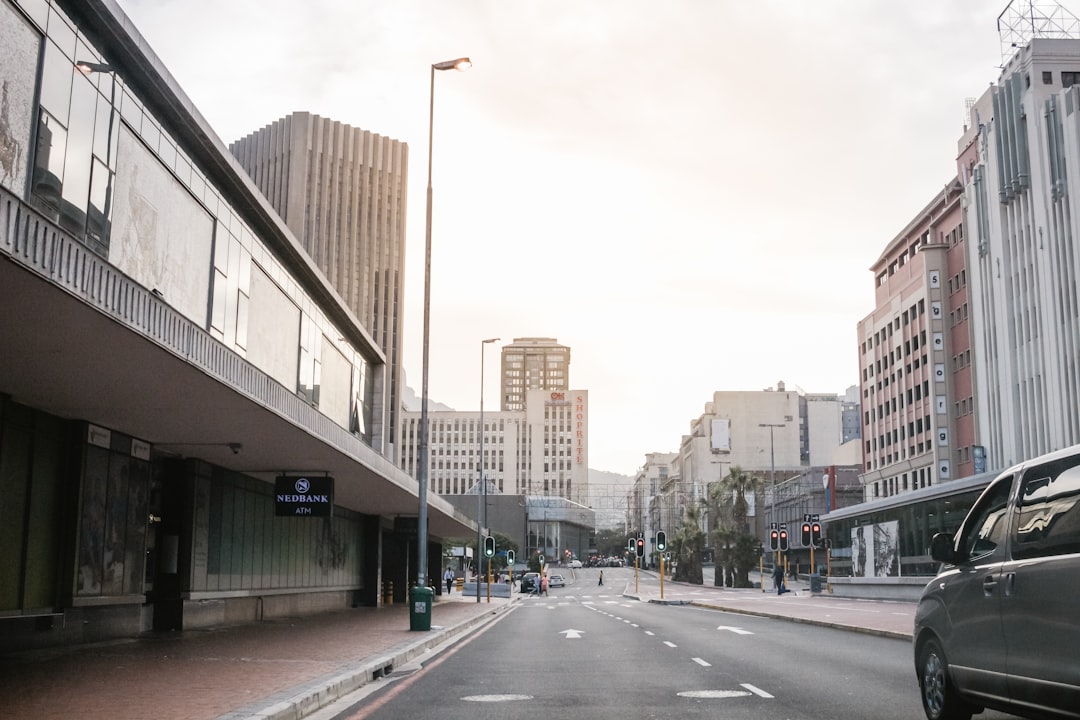
Jan 2026 Cape Town Closures: Carpool to Cut Congestion Emissions
Cape Town road closures January 2026 are hitting hard, with Morgan Steer road closed on the eastern side of AZ Burman until mid-April, piling onto back-to-school traffic South Africa chaos today.[1] Schools reopening means more cars on the roads, worsening traffic congestion emissions from idling at robots. But carpooling through CrabaRide lets eco-conscious commuters slash those emissions while dodging the jams.
For thousands of South African drivers stuck in Cape Town, this spells hours wasted and extra fuel burned. Imagine crawling from Somerset Road to the N1, engine running pointlessly.
The Current Situation in South Africa
Cape Town's roads are no strangers to disruptions. Recent minstrel parades in early January shut down Somerset Road, Green Point Main Road, Prestwich Street, and Chiappini Street from 6am to 9pm on January 5.[1][3]
These Cape Town road closures January 2026 linger, now clashing with schools back in session. Add Piet Retief's R101 closure—30 minutes daily between 2pm and 4pm—and Pumanga road works with stop-go controls, and regional routes grind to a halt.[5]
Back-to-school traffic turns highways into parking lots. In Johannesburg, N1 northbound sees similar spikes; Durban's N3 fares no better with combi taxis bunching up.
How This Affects SA Commuters
Traffic congestion emissions skyrocket when cars idle. A single vehicle stuck at a Cape Town robot for 10 minutes pumps out as much CO2 as 20km of smooth driving.
Commuters feel it in the wallet too. Fuel prices hover around R25 per litre, and that back-to-school rush from Khayelitsha to the CBD can double your daily hike costs.
Take a typical Cape Town mom driving from Mitchells Plain to Table View for work and drop-offs. Closures force detours via Baden Powell Drive, adding 45 minutes and R50 in wasted petrol daily.
Safety dips too. Tired drivers weave through heavy back-to-school traffic South Africa, raising accident risks near robots.
Eco-impact? South Africa's transport sector spews 15% of national emissions, mostly from city congestion.[General knowledge: SA Dept of Environment stats]. Idling alone contributes heavily in places like Cape Town.
CrabaRide's Solution
Carpooling South Africa via CrabaRide cuts vehicles on the road by up to 75% per lift club. Fewer cars mean less idling, slashing traffic congestion emissions dramatically.
Picture this: Four colleagues from Bellville to Century City share a ride. That's three fewer cars clogging the N1 during closures, saving 50-70% on costs each.
CrabaRide verifies every driver and passenger with ID and car registration. No more hitching with strangers—safety first, like a trusted lift club.
In Johannesburg, Sandton to Midrand commuters report 40% less travel time via CrabaRide during peak hours. Durban users dodge N2 combi chaos the same way.
It builds community too. Chat about the game or load-shedding while cruising past gridlock.
Emissions drop fast—one study shows carpooling reduces CO2 by 80% per passenger versus solo drives.[General knowledge: Global carpooling research]. Perfect for eco-minded South Africans.
Practical Steps to Get Started
Ready to beat the closures? CrabaRide makes it simple via app, website (crabaride.co.za), or WhatsApp (+27713638315).
Here's how to start your lift club today:
-
Search your route: Enter "Cape Town CBD to Somerset West" or "Pretoria N4 to Johannesburg." Filter for back-to-school times.
-
Find matches: Browse verified drivers heading your way. Check car details and ratings.
-
Book safely: Chat in-app, confirm ID verification. Share your trip details with a friend.
-
Pay and ride: Split costs fairly—often R20-30 per leg versus R100 taxi fare.
For Cape Town road closures January 2026, try these hot routes:
-
Khayelitsha to City Bowl via N2 (avoids Baden Powell snarls)
-
Table View to Milnerton (skips robot backups at Koeberg interchange)
-
Durbanville to Bellville (eases R300 morning rush)
Safety tips: Always verify the driver's reg papers in-app. Set a pickup spot away from busy robots. Travel in daylight first to build trust.
Common worries? Costs are transparent—no hidden fees. Trust comes from our strict verification, better than informal taxi ranks.
Users love it: "Saved R400 weekly on my Jozi commute, plus no stress," says a Midrand regular.
Why Carpooling Beats the Rush Long-Term
Beyond January, carpooling South Africa tackles daily woes. Pretoria's N4 robot jams? Share with a colleague.
In Cape Town, ongoing works like Morgan Steer mean persistent delays. CrabaRide users glide past.
Stats back it: Lift clubs reduce city emissions by 20-30% on popular routes.[General knowledge: SA transport studies]. You're saving the planet, one ride at a time.
Eco-conscious? Track your carbon savings in the app—motivation to keep going.
Conclusion: Call to Action
Don't let Cape Town road closures January 2026 or back-to-school traffic South Africa steal your time and cash. Join CrabaRide today—download the app, visit crabaride.co.za, or WhatsApp +27713638315 to find your perfect lift club.
Start saving 50-70% on fuel, cut emissions, and ease congestion. Sign up now—what's your first route?
Get started on Crab a Ride today: online at https://crabaride.co.za or directly via WhatsApp (+27713638315).
Comments
Join the conversation! Email us your thoughts at contact@crabaride.co.za.